Courses
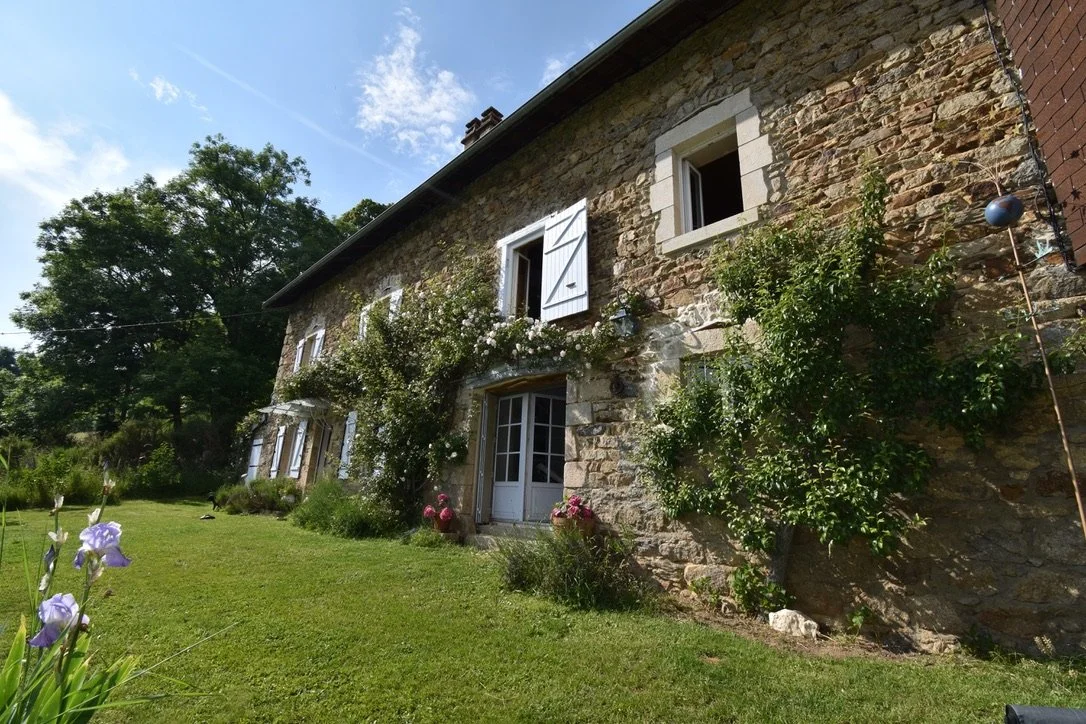
One on one coaching fortnightly - or join our July Summer group in the Auvergne in France
-
-
Lesson 1
Getting to Essence
We will talk about how ideas get to ‘essence’ in poetry. The first sessions will look at your desires as a poet, what moves you; we will look at some takes on the on the value of poets to the world. And you will write, with guidance your first ‘essential’ poem.
Getting to Essence
We will talk about how ideas get to ‘essence’ in poetry. The first sessions will look at your desires as a poet, what moves you; we will look at some takes on the on the value of poets to the world. And you will write, with guidance your first ‘essential’ poem.
-
Lesson 2
Positive reviewing of your first poems
Deep and encouraging feedback is how we work together. We will look at your work and also three poems by the Australian poet: Clive James in his collection Sentenced to Life.
We will also look at the marvellous poem: Canoe by Keith Douglas read by Clive James in the video shown here.
Positive reviewing of your first poems
Deep and encouraging feedback is how we work together. We will look at your work and also three poems by the Australian poet: Clive James in his collection Sentenced to Life.
We will also look at the marvellous poem: Canoe by Keith Douglas read by Clive James in the video shown here.
-
-
-
Lesson 3
Harnessing emotion and history, how to use legend and your own ‘folk lore’ in your poems.
In this session we look at the powerful work of Indigenous poets: Joy Harjo of the Muscogee Nation, USA and Hone Tuwhare, māori poet, Aotearoa - New Zealand.
Harnessing emotion and history, how to use legend and your own ‘folk lore’ in your poems.
In this session we look at the powerful work of Indigenous poets: Joy Harjo of the Muscogee Nation, USA and Hone Tuwhare, māori poet, Aotearoa - New Zealand.
-
Lesson 4
How to write about pain and joy and vulnerability via metaphor and image.
We will work on poems that liberate you and use your own originality for image and structure.
How to write about pain and joy and vulnerability via metaphor and image.
We will work on poems that liberate you and use your own originality for image and structure.
-
Lesson 5
Learning about form and structure.
In this lesson we will learn how to write a sonnet and consider Sonnet 30 by William Shakespeare.
You will also write you own sonnet under Lynette’s guidance and learn the power of reading aloud.
Learning about form and structure.
In this lesson we will learn how to write a sonnet and consider Sonnet 30 by William Shakespeare.
You will also write you own sonnet under Lynette’s guidance and learn the power of reading aloud.
-
Meet Your Instructor
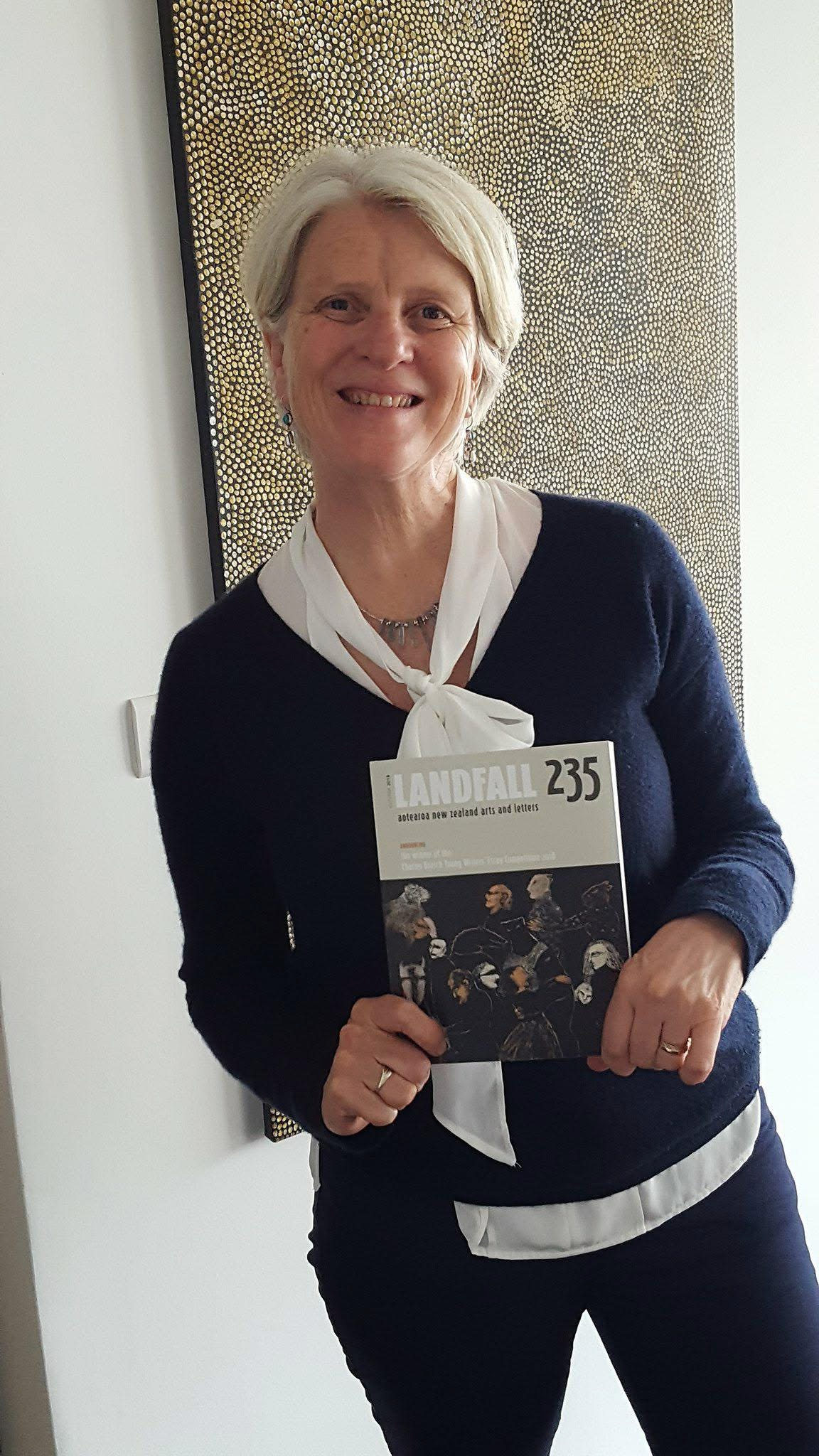
With decades spent refining poems for distinguished publications, Lynette Thorstensen now shares a cultivated methodology—marrying classical sensibilities with contemporary insight—to help you shape poems of understated power and lasting resonance.
Frequently Asked Questions
-
The curriculum unfolds over ten sequenced modules, each combining consideration of the work of a leading poet, along with practical writing exercises for you that build progressively toward a suite of poems (at least three) suitable for publication.
-
All that is needed is a love of poetry, a desire to write your own and faith in your own ability to progress.
-
Yes! The entire ten sessions are personalised one-on-one coaching. There will be plenty of guidance, lots of exchange and feedback on your written work.
-
Enrollment grants lifetime access to all videos, resources, and future content enhancements—allowing you to revisit the lessons whenever refinement calls.